Large Bank Deposits and Mortgage Approval: What Borrowers Should Know Mortgage underwriting requires lenders…
Using Rental Income to Qualify for a New Home Purchase
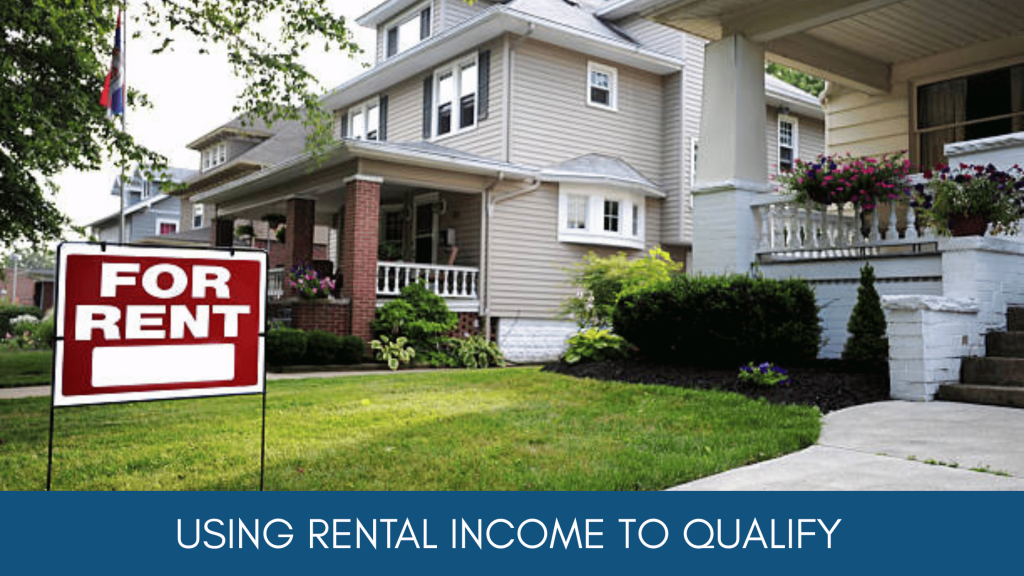
Using Rental Income to Qualify for a New Home Purchase
Many homeowners assume that when they purchase a new home, they must sell their current residence first. While that may be the right choice for some situations, it is not always required. Under Fannie Mae guidelines, borrowers may sometimes convert their current home into a rental property and use a portion of the projected rental income to help qualify for the next mortgage.
Understanding how rental income is evaluated can open additional possibilities for homeowners who are planning to move or upgrade their living situation.
Why Rental Income Matters in Mortgage Qualification
When a borrower buys a new home while still owning their current property, underwriting must consider the existing mortgage payment as part of the debt-to-income ratio. Without rental income, this can create a temporary increase in monthly obligations that makes qualification more difficult. When rental income is properly documented and meets Fannie Mae guidelines, a portion of that income may be used to offset the existing mortgage payment. This can significantly improve qualifying ratios.
For a deeper look at how debt-to-income ratios are evaluated, see When a Higher Debt-to-Income Ratio Can Still Be Approved.
How Much Rental Income Can Be Used?
Fannie Mae generally allows 75 percent of verified rental income to be used when qualifying for a new mortgage. The remaining 25 percent is excluded to account for potential vacancy, maintenance, and property expenses.
For example:
Monthly rental income: $3,000
Qualifying income used: $2,250 (75%)
This adjusted income can then be applied against the existing mortgage payment when calculating debt-to-income ratio.
When a Lease Agreement Is Required
For borrowers converting their primary residence to a rental property, a signed lease agreement is typically required to document the rental income.
The lease must reflect:
- The rental amount
- The lease term
- The property address
- Tenant signatures
In many cases, the first month’s rent or security deposit must also be documented as received. This helps demonstrate that the rental arrangement is legitimate and likely to continue.
Equity Requirements for Departing Residences
Fannie Mae generally requires borrowers to have sufficient equity in the departing residence when rental income is used to offset the mortgage. The purpose of this requirement is to reduce risk in situations where the borrower is carrying two properties.
If sufficient equity is not present, underwriting may treat the situation differently and require both housing payments to be included in the debt-to-income ratio.
Rental Income and Mortgage Reserves
When borrowers own multiple properties, reserve requirements often increase. Reserves represent funds that remain available after closing and are typically measured in months of housing payments. For example, a borrower may be required to demonstrate several months of reserves for both the new home and the rental property.
This topic is discussed in more detail in Mortgage Reserve Requirements Under Fannie Mae. Strong reserves can significantly strengthen the overall approval profile.
What If the Property Has Never Been Rented Before?
Many homeowners convert their residence to a rental property for the first time when purchasing a new home. In these cases, underwriting generally relies on the signed lease agreement and market rent estimates to evaluate the projected income. Because the property does not yet have a rental history, documentation becomes especially important.
Providing clear evidence of the rental arrangement helps demonstrate that the income is realistic.
Rental Income and Overall Debt Structure
Rental income often interacts with several other elements of the mortgage application.
For example:
- Higher rental income may lower the effective debt-to-income ratio
- Strong reserves can offset additional property risk
- Stable employment history strengthens the overall profile
Employment continuity is discussed further in Mortgage Job History Requirements: What Fannie Mae Actually Looks For.
Mortgage underwriting evaluates these factors together rather than in isolation.
When Converting a Home to a Rental Makes Sense
Converting a home to a rental property can make sense for several reasons:
- The borrower wants to keep a long-term investment property
- The home may generate positive cash flow
- The borrower expects the property to appreciate over time
However, owning multiple properties also introduces additional financial responsibilities.
Understanding how mortgage guidelines evaluate these situations helps borrowers make informed decisions.
A Practical Perspective on Rental Income
Using rental income to qualify for a new home purchase can provide flexibility for homeowners who are ready to move but prefer not to sell their current property. When rental income is documented properly and supported by sufficient reserves and equity, it can meaningfully strengthen the borrower’s qualifying profile. Mortgage underwriting evaluates the broader financial picture. Income stability, asset reserves, property equity, and debt structure all interact when determining approval strength.
A thoughtful review of these factors often reveals more options than borrowers initially expect.
Continue Reading: Conventional Loan Qualification Guides
For additional insight into how conventional mortgages are evaluated, the following guides expand on related topics:
- 10 Lesser-Known Fannie Mae Guidelines That Can Influence Mortgage Qualification
- When a Higher Debt-to-Income Ratio Can Still Be Approved
- When One Year of Bonus or Overtime Income May Be Enough for Mortgage Qualification
- Mortgage Job History Requirements: What Fannie Mae Actually Looks For
- Mortgage Reserve Requirements Under Fannie Mae
- When Installment Debt Can Be Excluded From Debt-to-Income Calculations
- Understanding the 25 Percent Rule for Commission Income
Each article explores how income, assets, and debt interact within Fannie Mae’s broader underwriting framework.

